



- View
Pörkölt is the kind of Hungarian stew that turns an ordinary evening into something you look forward to all day. It is rich, paprika warm, and built for sharing. If goulash is a soup you can ladle, pörkölt is thicker, closer to a spoon clinging sauce that coats the meat.
You will often meet it at family tables, village gatherings, and small restaurants where the pot has clearly been simmering with patience. It is not fussy food, yet it demands attention to timing and heat. Give it the right pace and it pays you back with deep flavour and tender bites.
What I love about pörkölt is how it teaches you about Hungarian cooking without a lecture. Paprika is central, onions do serious work, and the pot rewards steady simmering rather than rushing. Once you try it, you start to recognise its influence across other dishes in the region.
Want to dive deeper into Hungarian Cuisine? Don’t miss our post on Traditional Hungarian Foods to Try
What Is Pörkölt?
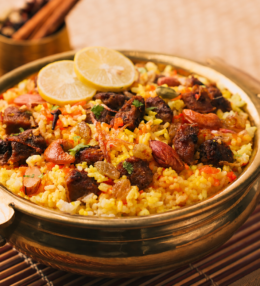
Pörkölt is a paprika based meat stew, usually made with beef, pork, veal, lamb, or chicken. The base begins with onions softened in fat, then sweet Hungarian paprika stirred in briefly so it blooms but does not burn. Meat goes in next, then the stew simmers until everything softens into harmony.
Unlike some stews that rely on flour for thickness, pörkölt thickens through reduction and the natural body of onions. That is why the sauce tastes rounded rather than starchy. Many cooks keep the liquid level low, letting steam and time do the work until the sauce turns glossy.
You will hear pörkölt mentioned alongside gulyás and paprikás. They share ingredients, yet they behave differently. Gulyás is looser and soup like. Paprikás often uses sour cream for a paler, tangier finish. Pörkölt stays bold and red, with a flavour that feels direct and confident.
Ingredients and Taste
The core ingredients are simple and practical. Meat, onions, lard or oil, sweet Hungarian paprika, salt, and water or stock form the backbone. Garlic is common, and many cooks add tomatoes or peppers, especially in warmer months. Caraway may appear, but it is not compulsory.
Paprika matters more than people expect. Hungarian sweet paprika brings colour and a gentle, fruity warmth, not a harsh burn. Hot paprika can be added, yet restraint keeps the stew balanced. If paprika is scorched it turns bitter, so the usual trick is to pull the pot off the heat before stirring it in.
The taste is savoury and rounded, with onions melting into the sauce and paprika giving it depth and a faint sweetness. The meat becomes tender and carries the sauce into every bite. When done well, it feels rich without being heavy, and the aroma is unmistakably Central European.
Side dishes are part of the experience. Nokedli, small dumplings similar to spätzle, soak up sauce beautifully. Tarhonya, egg barley, gives a toasty bite. Potatoes work too, and pickles often appear on the table to cut through the richness with a sharp snap.
A Taste of History
Pörkölt grew from practical cooking rather than palace cuisine. Hungary’s pastoral traditions meant herdsmen and travellers needed meals that could be cooked in a pot over fire, using meat, onions, and whatever seasoning was available. Long simmering suited both the setting and the tougher cuts of meat.
Paprika arrived in Hungary through a longer European journey from the Americas, and over time it became a defining flavour in Hungarian kitchens. By the nineteenth century, paprika had moved from a novelty spice into everyday use, shaping dishes that now feel inseparable from Hungarian identity.
As Hungarian cooking gained recognition, pörkölt became a reference point, a dish people pointed to when describing the national palate. It also travelled with emigrants, adapting to new kitchens and ingredients while keeping its core method. Even with variations, the stew still reads as distinctly Hungarian.
How to Make Hungarian Pörkölt (Meat Stew)
Pörkölt is one of the foundations of Hungarian home cooking, built on onions, lard, paprika and time rather than complexity. Expect a slow cooked stew with a deep brick red sauce and tender meat, where paprika provides warmth and aroma rather than heat. Patience and gentle simmering are essential for authentic results. See the recipe card at the bottom for printable directions
Ingredients
- 800 g beef shin or shoulder, cut into large cubes
- 2 large onions, finely chopped
- 3 tbsp pork lard or sunflower oil
- 2 tbsp Hungarian sweet paprika
- 1 tsp Hungarian hot paprika (optional)
- 2 cloves garlic, finely chopped
- 1 green pepper, diced
- 1 tomato, peeled and chopped
- 1 tsp caraway seeds, lightly crushed
- 1 tsp sea salt, or to taste
- 250 ml water or light beef stock
Cooking Instructions
Step 1: Prepare the base
To begin, heat the lard in a heavy based casserole over medium heat. Add the chopped onions and cook slowly, stirring often, until soft, glossy and lightly golden. This onion base forms the backbone of the stew, so allow sufficient time before moving on.
Step 2: Add the paprika
Remove the pan briefly from the heat and stir in the sweet paprika and hot paprika if using. Mixing off the heat prevents bitterness and preserves the spice aroma. Once combined, return the pan to low heat to continue.
Step 3: Introduce the aromatics
Add the garlic, caraway seeds, green pepper and tomato. Stir well and cook for 3 to 4 minutes until the vegetables soften and release their juices, creating a thick, fragrant paste before adding the meat.
Step 4: Brown the meat
Add the beef cubes and stir thoroughly to coat them in the paprika mixture. Increase the heat slightly and cook until the meat loses its raw colour on all sides, ensuring it absorbs the seasoning before simmering.
Step 5: Season and moisten
Sprinkle in the salt and pour in the water or stock. Stir gently, scraping the base of the pan to release any caramelised flavour, then bring the stew to a gentle simmer.
Step 6: Slow cooking
Cover partially with a lid and cook over low heat for 90 minutes, stirring occasionally. The liquid should barely bubble, allowing the meat to soften gradually and the sauce to thicken naturally.
Step 7: Adjust consistency
Check the sauce halfway through. If it appears too dry, add a small splash of water. Pörkölt should be thick and rich, never soupy. Continue cooking until the meat is fork tender.
Step 8: Taste and rest
Taste and adjust seasoning if needed. Turn off the heat and allow the stew to rest for 10 minutes, which helps the flavours settle before serving.
Step 9: For serving
Serve hot with nokedli, boiled potatoes or crusty bread. A spoonful of sour cream on the side is traditional but optional, allowing diners to adjust richness to taste.
Variations and Substitutions
- Meat: Pork shoulder or veal are traditional alternatives to beef
- Fat: Sunflower oil can replace pork lard if unavailable
- Paprika: Use Spanish sweet paprika only if Hungarian paprika cannot be sourced, though flavour will differ
- Vegetables: Some regional versions omit tomato or pepper for a deeper paprika focus
Cooking Tips for Perfect Pörkölt
- Always remove the pan from heat before adding paprika to avoid bitterness
- Finely chopped onions should almost melt into the sauce
- Avoid adding flour or thickeners as the sauce thickens naturally
- Slow cooking is essential for proper texture and flavour
How to Store and Reheat
Cooling it safely
Let pörkölt cool to room temperature before it goes into the fridge, but do not leave it sitting out for hours. A wide, shallow container helps it cool quicker. Once chilled, the flavour often deepens, so leftovers can taste even better the next day.
Fridge storage
Store pörkölt in an airtight container in the fridge for up to three days. Keep any noodles or dumplings separate if you can, since they absorb sauce and turn soft. If the stew thickens overnight, that is normal, the onions and reduction continue to settle.
Freezing for later
Pörkölt freezes well because the sauce is robust and not cream based. Portion it into freezer safe containers so you can thaw only what you need. Leave a little space at the top for expansion. Label it with the date and aim to use it within three months for best flavour.
Reheating on the hob
Reheat gently in a saucepan over low to medium heat, stirring now and then so the bottom does not catch. Add a splash of water or stock if it has become too thick. Take your time, a slow reheat keeps the meat tender and prevents the sauce from turning harsh.
Reheating in the microwave
Microwave reheating works fine for smaller portions. Use a covered bowl, heat in short bursts, and stir between each round so it warms evenly. If you notice dry edges, stir in a spoon of water. Check the centre is hot before serving, not just the surface.
Serving leftovers well
Leftover pörkölt loves a fresh companion. Cook new nokedli or rice, or warm crusty bread to mop up the sauce. Add pickled cucumbers or a crisp salad for contrast. A final pinch of paprika on top looks inviting, but keep it light so it does not taste raw.

Pörkölt (Meat Stew)
Ingredients
- 800 g beef shin or shoulder cut into large cubes
- 2 large onions finely chopped
- 3 tbsp pork lard or sunflower oil
- 2 tbsp Hungarian sweet paprika
- 1 tsp Hungarian hot paprika optional
- 2 cloves garlic finely chopped
- 1 green pepper diced
- 1 tomato peeled and chopped
- 1 tsp caraway seeds lightly crushed
- 1 tsp sea salt or to taste
- 250 ml water or light beef stock
Instructions
- To begin, heat the lard in a heavy based casserole over medium heat. Add the chopped onions and cook slowly, stirring often, until soft, glossy and lightly golden. This onion base forms the backbone of the stew, so allow sufficient time before moving on.
- Remove the pan briefly from the heat and stir in the sweet paprika and hot paprika if using. Mixing off the heat prevents bitterness and preserves the spice aroma. Once combined, return the pan to low heat to continue.
- Add the garlic, caraway seeds, green pepper and tomato. Stir well and cook for 3 to 4 minutes until the vegetables soften and release their juices, creating a thick, fragrant paste before adding the meat.
- Add the beef cubes and stir thoroughly to coat them in the paprika mixture. Increase the heat slightly and cook until the meat loses its raw colour on all sides, ensuring it absorbs the seasoning before simmering.
- Sprinkle in the salt and pour in the water or stock. Stir gently, scraping the base of the pan to release any caramelised flavour, then bring the stew to a gentle simmer.
- Cover partially with a lid and cook over low heat for 90 minutes, stirring occasionally. The liquid should barely bubble, allowing the meat to soften gradually and the sauce to thicken naturally.
- Check the sauce halfway through. If it appears too dry, add a small splash of water. Pörkölt should be thick and rich, never soupy. Continue cooking until the meat is fork tender.
- Taste and adjust seasoning if needed. Turn off the heat and allow the stew to rest for 10 minutes, which helps the flavours settle before serving.
- Serve hot with nokedli, boiled potatoes or crusty bread. A spoonful of sour cream on the side is traditional but optional, allowing diners to adjust richness to taste.
Leave a Review